THREE
ACTS
The Triadic Ballet was Oskar Schlemmer's systematic
reinvention of dance, first performed on 30 September 1922.
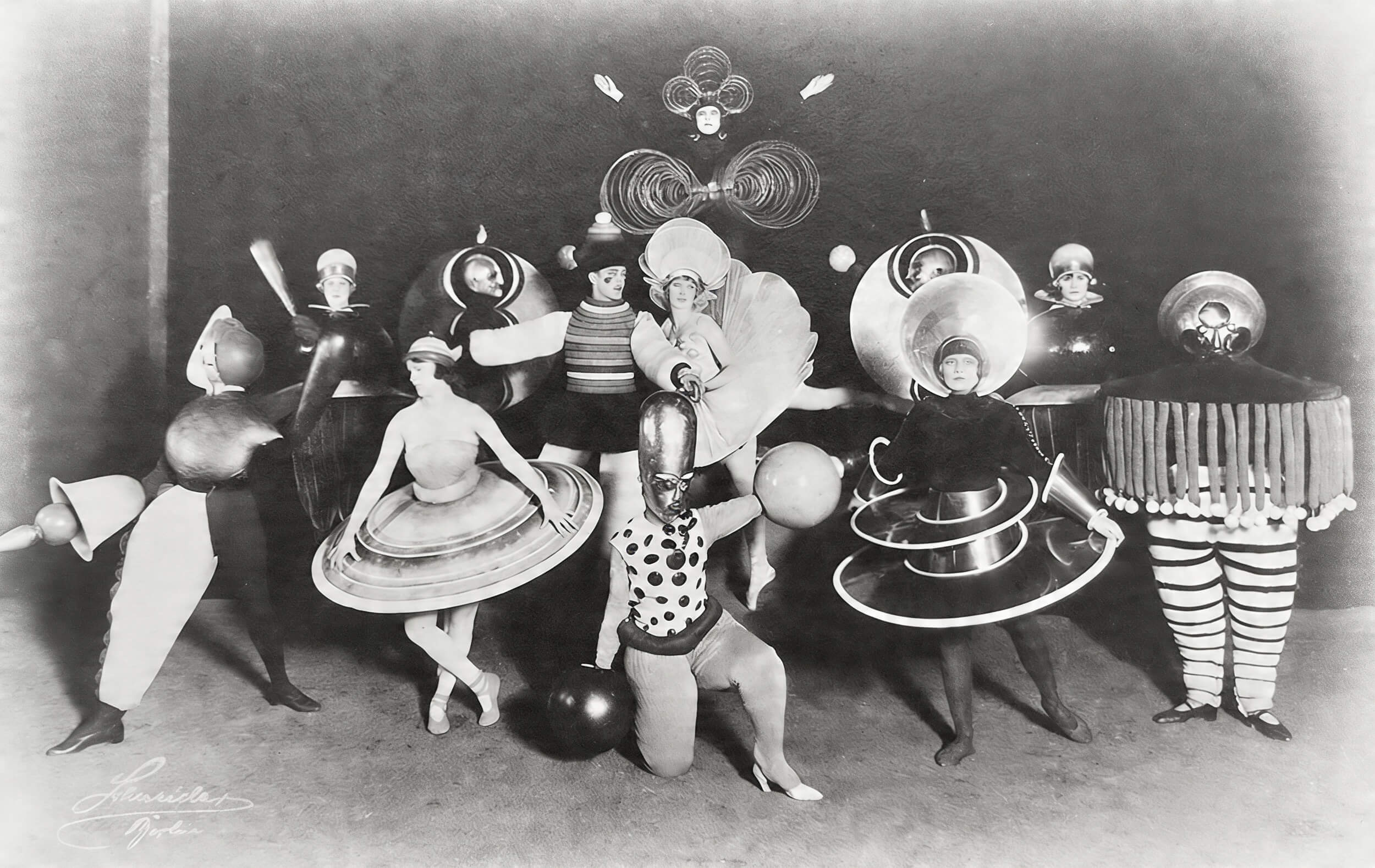
The Triadic Ballet was Oskar Schlemmer's systematic reinvention of dance, first performed on 30 September 1922.
The Triadic Ballet
Three acts. Three stage Colours. Each act is marking another shift in register and tone. From the playful and comic, toward the mysterious and metaphysical.
An ai interpretation of diverse photographic archives from early 1920s and beyond.
(1922)
(1922)
Burlesque
Playfulness
ACT 1
(Concept)
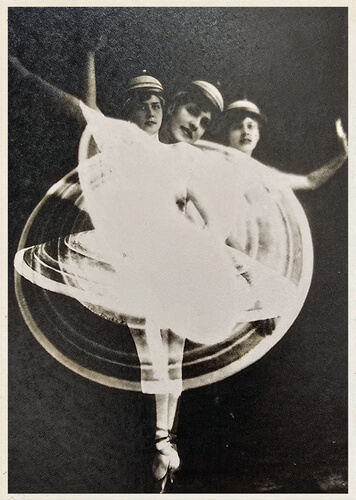
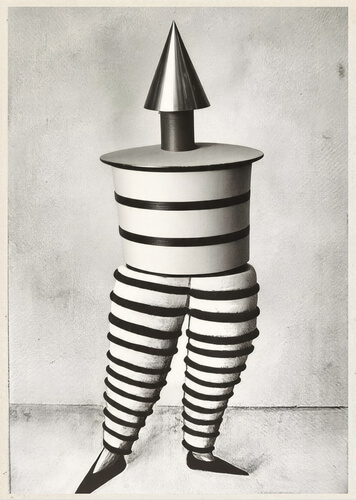
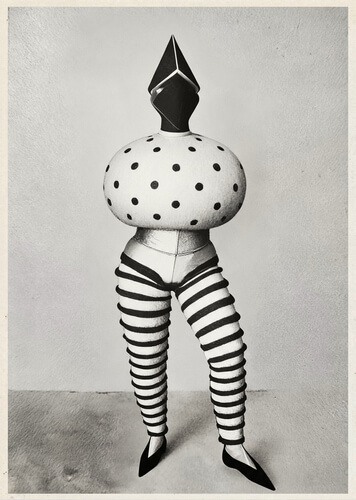
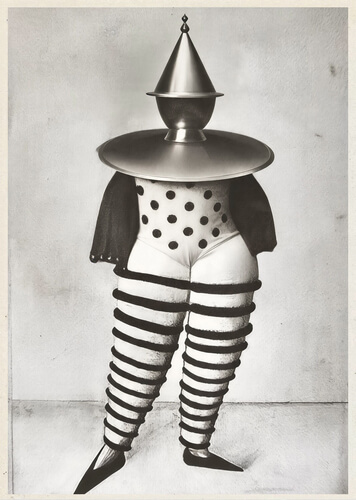
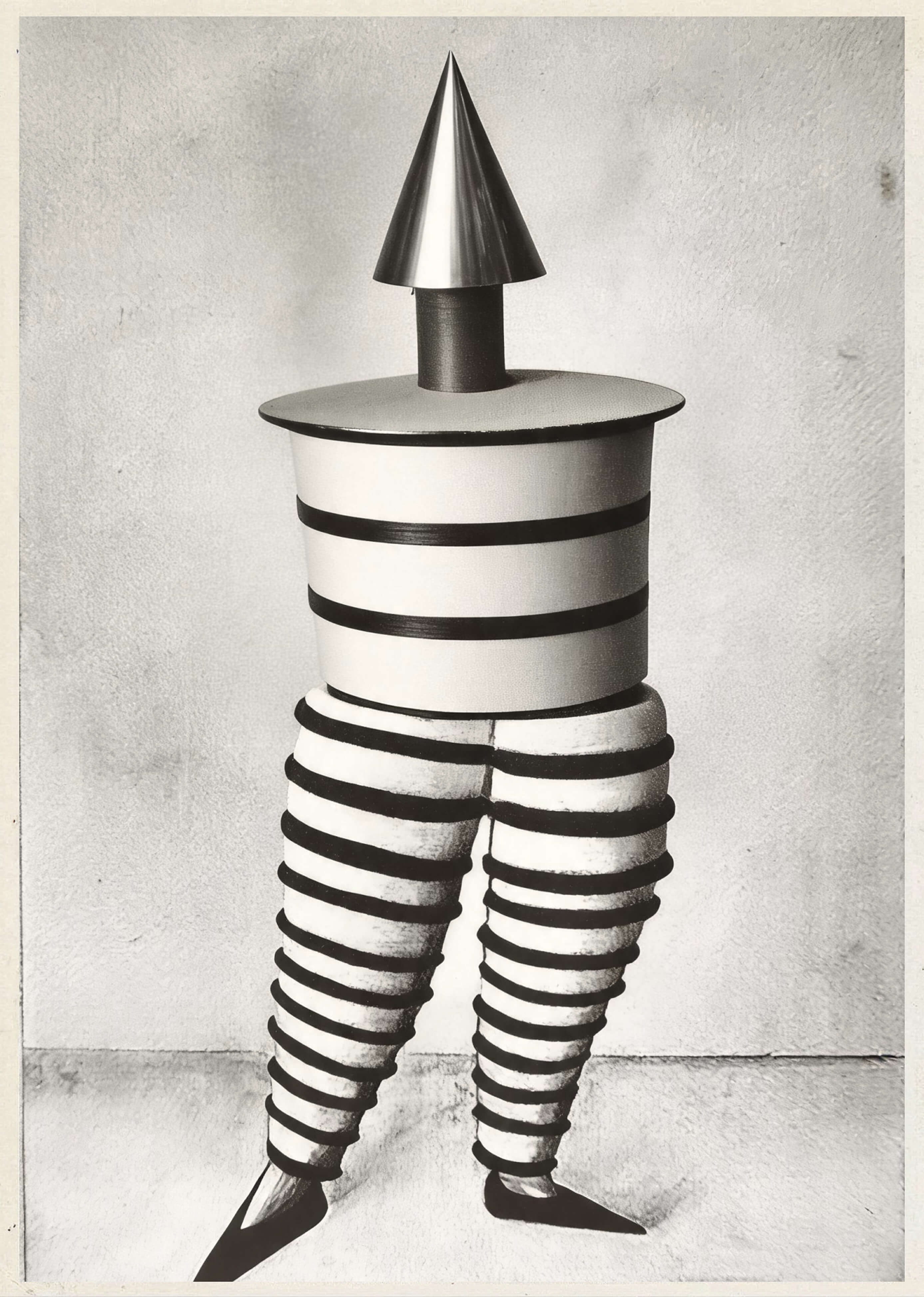
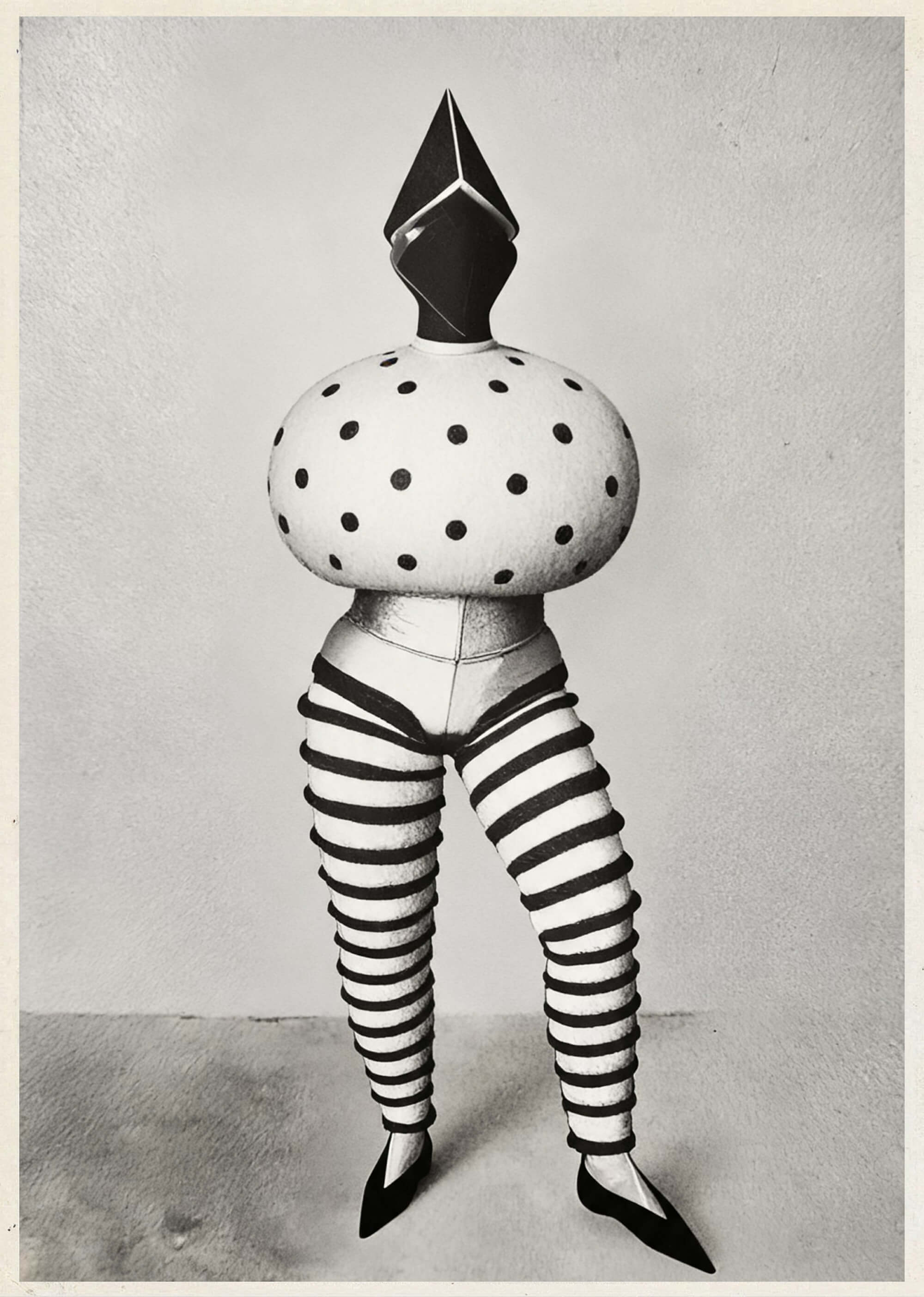
Against yellow drop curtains, the first act opens in a spirit of deliberate play. The figures are comic and kinetic, their exaggerated proportions and spinning silhouettes strange and precise in equal measure.
The Triadic Ballet
(AI summary)
Colours
Yellow drop curtains
Spirit
Deliberate play
Form
Comic and kinetic figures
Exaggerated proportions
Spinning silhouettes
(01)
FORMAL
CEREMONIAL
ACT 2
(Concept)
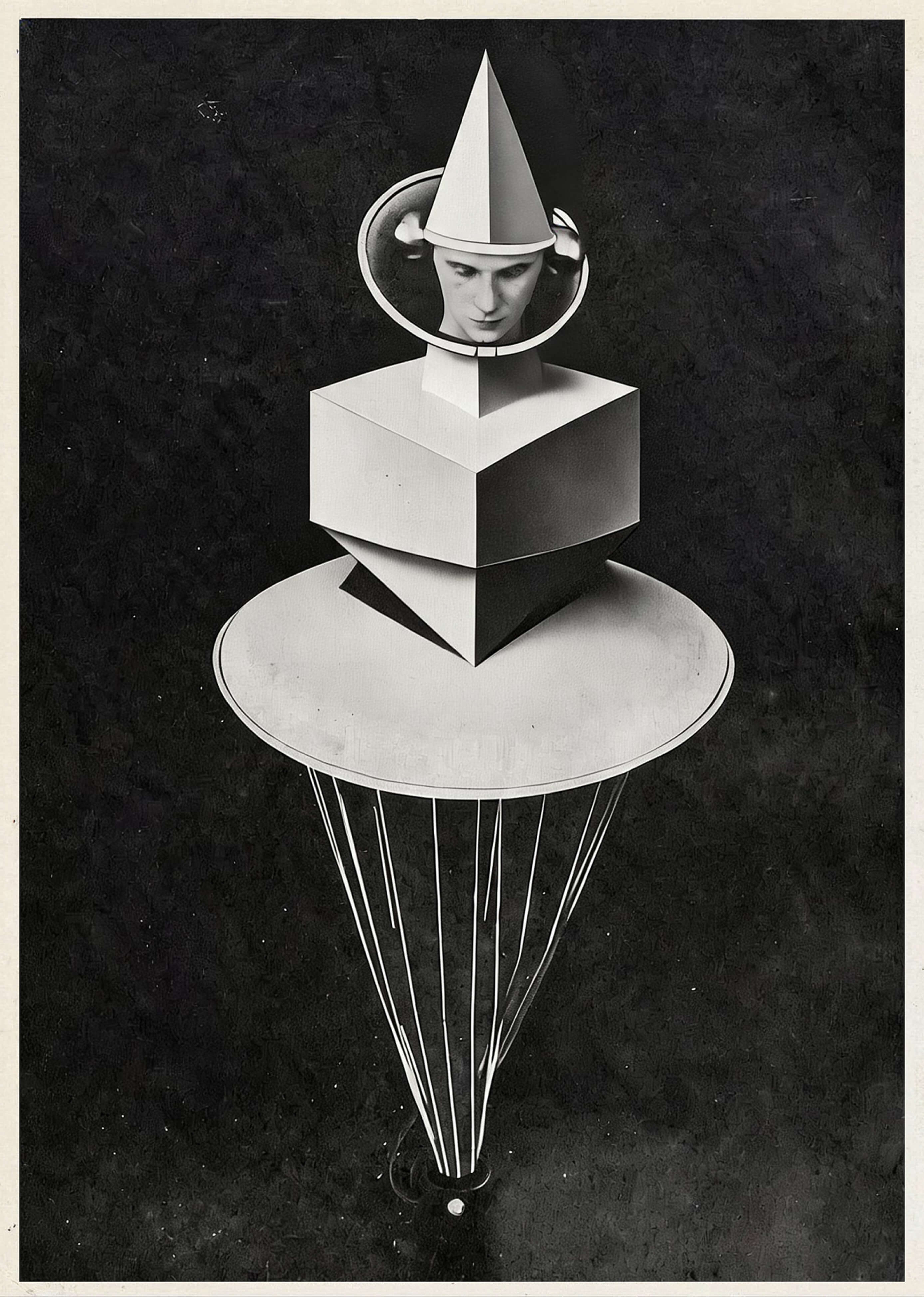
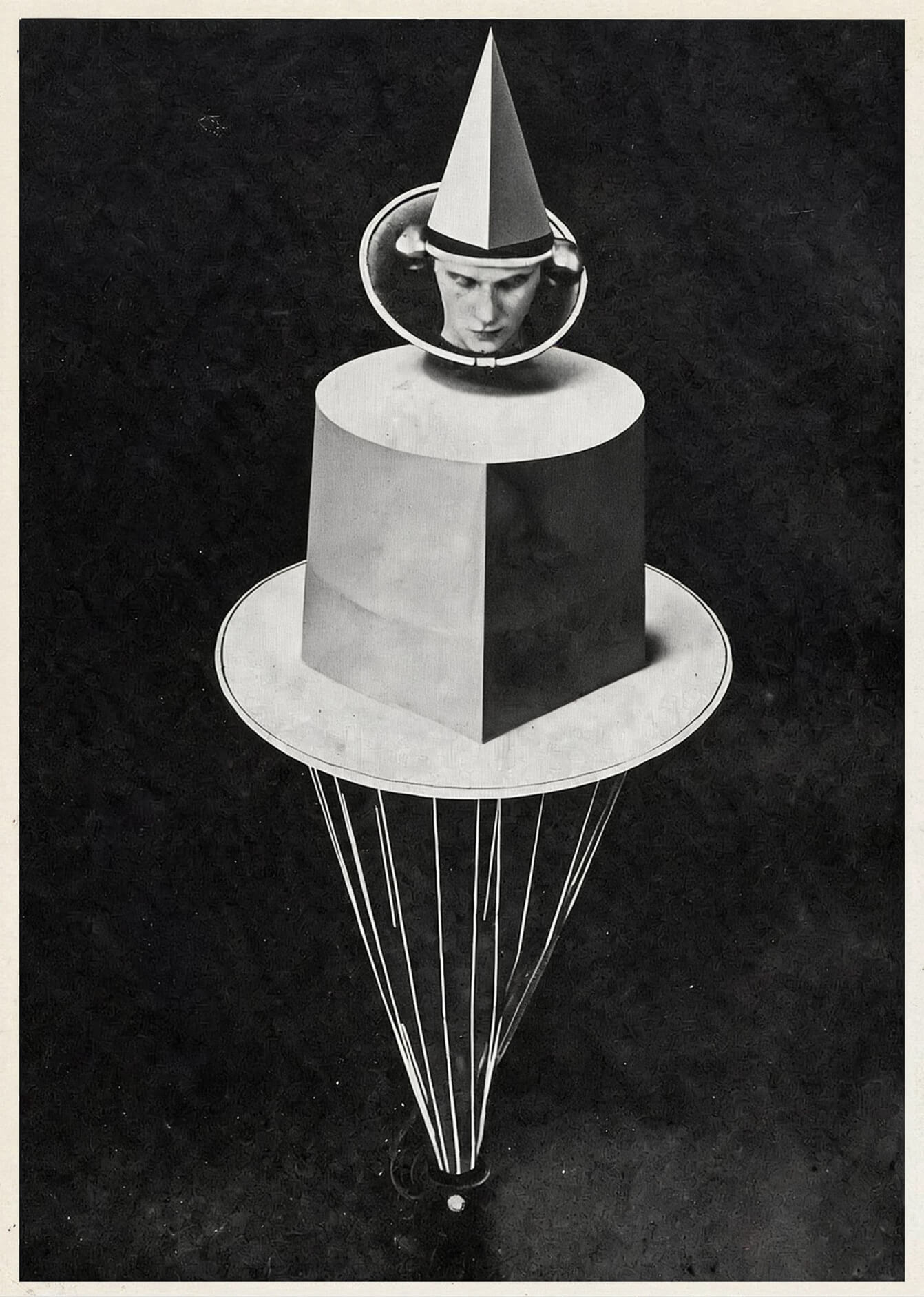
On a rose coloured stage, the tone shifts and the pacing becomes more deliberate. The dancer figures more charged with formality. The act of ordered ceremony, where each costume reads as an inhabited form.
The Triadic Ballet
(AI summary)
Colours
Rose coloured stage
Spirit
Ordered ceremony
Form
Contained gesture
Precise movements
Formal pace
(02)
The second act moves with slow, precise, deliberate order.
The body becomes ceremonial, guided by geometry and rhythm.
MYSTERY
GEOMETRY
ACT 3
(Concept)
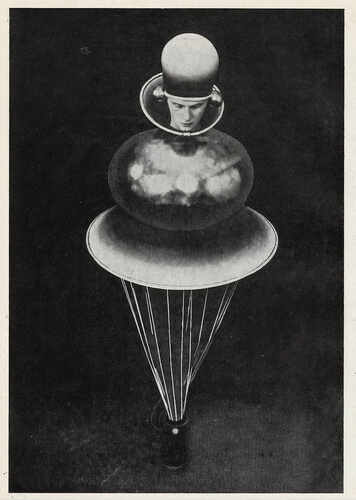
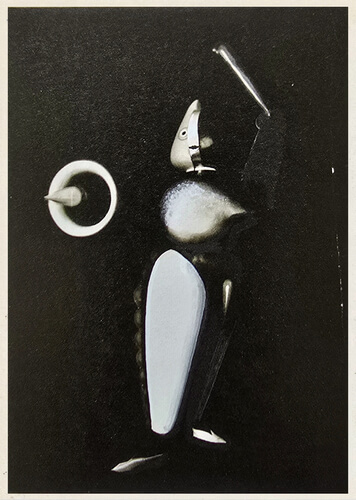
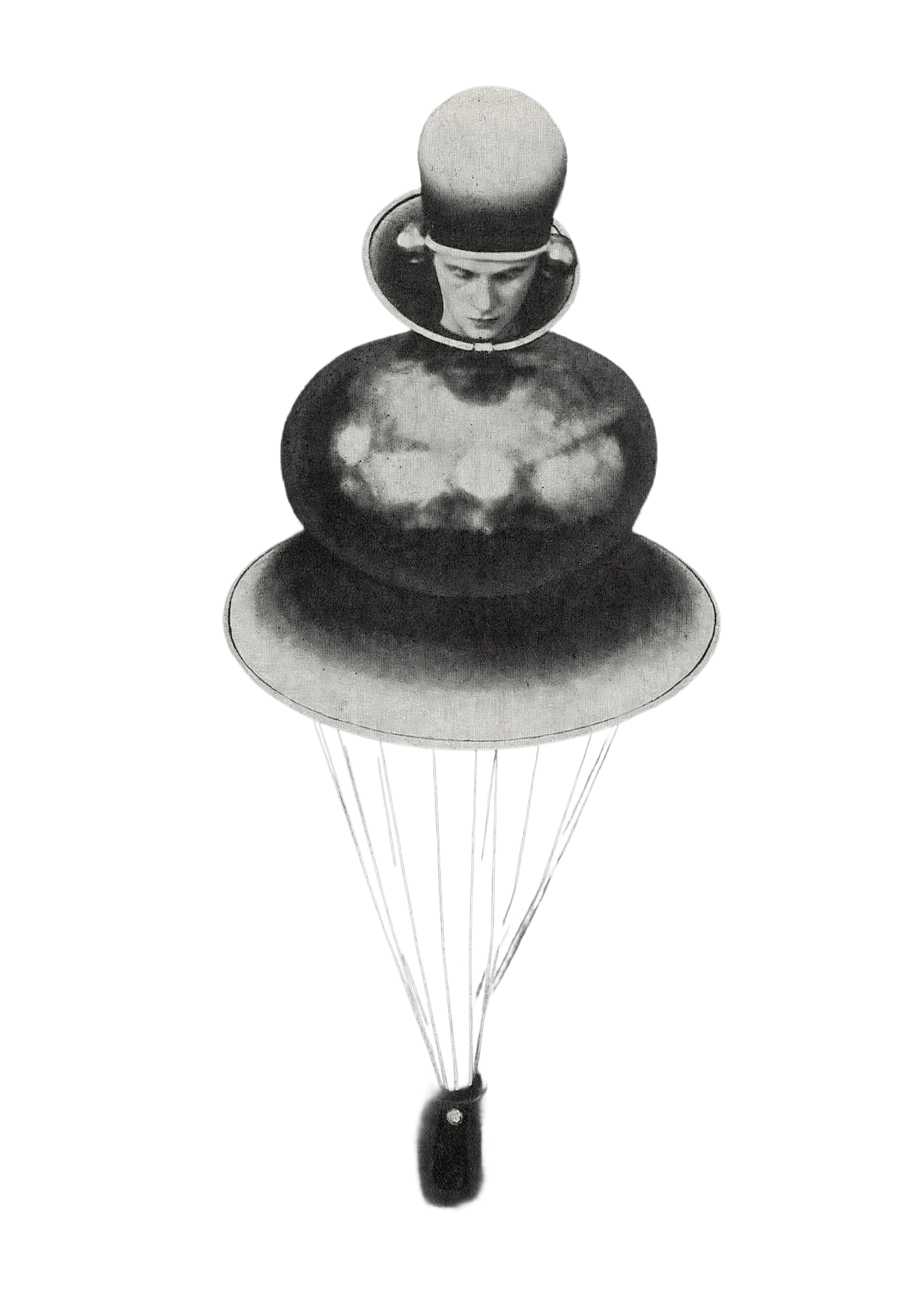
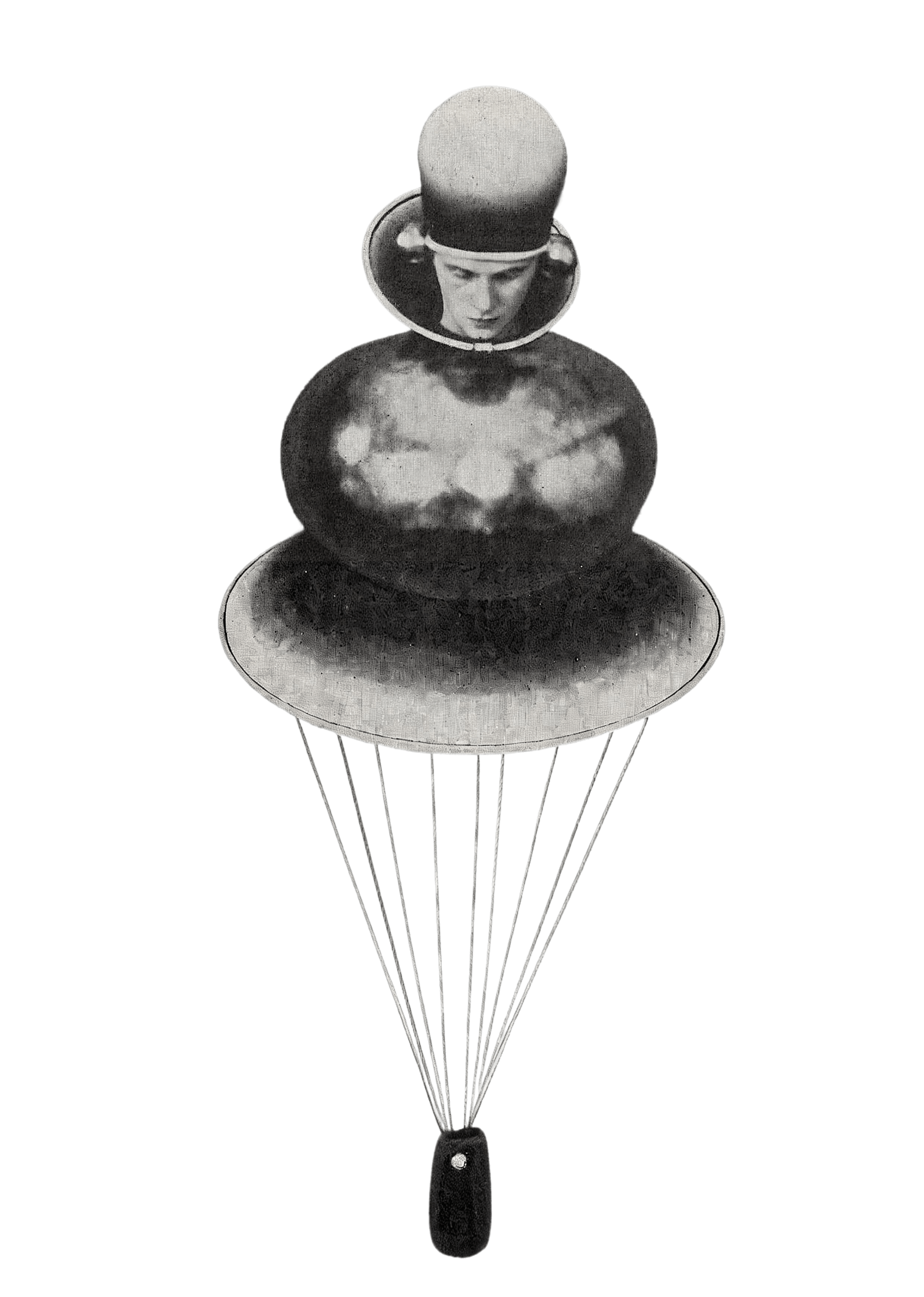
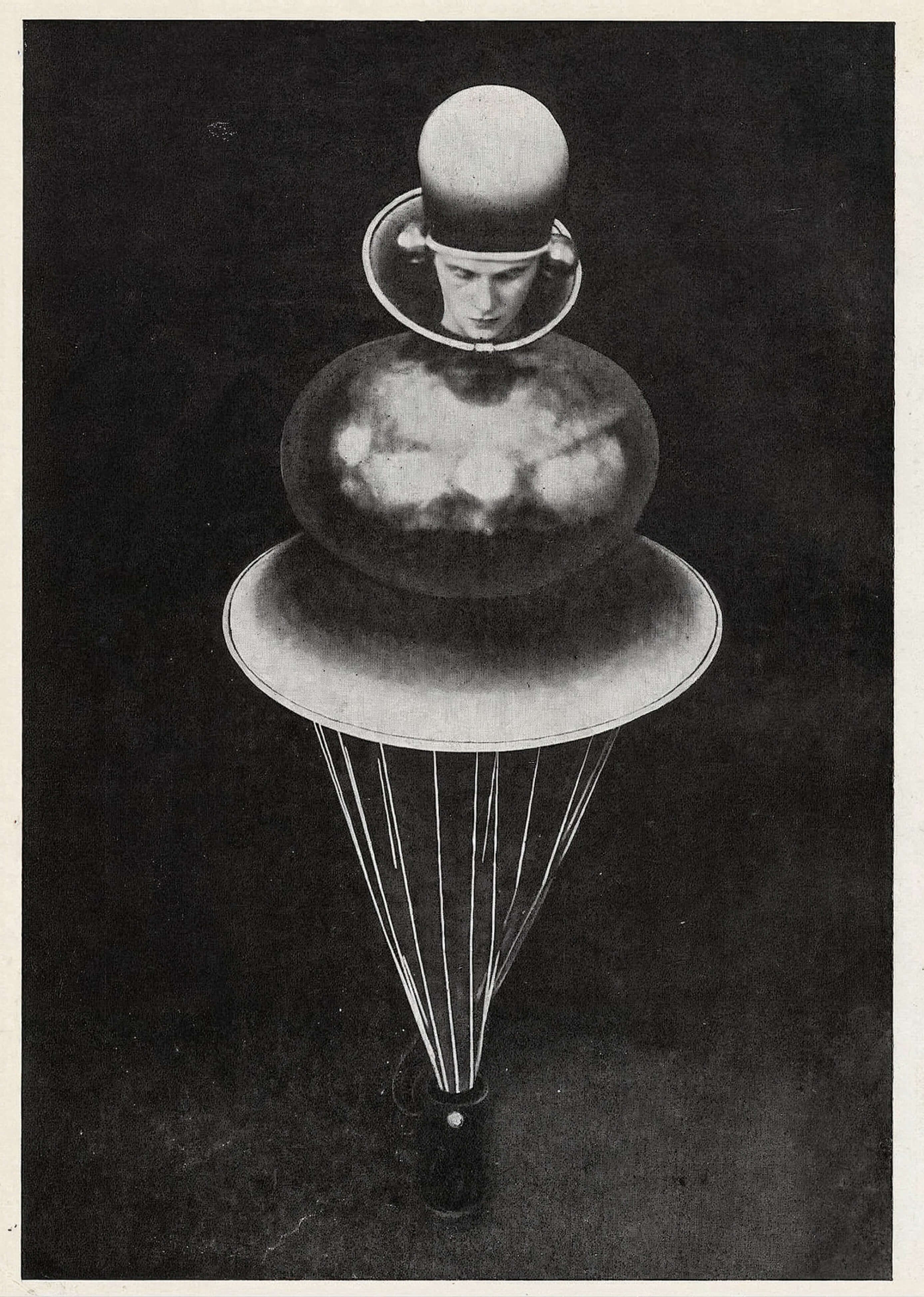
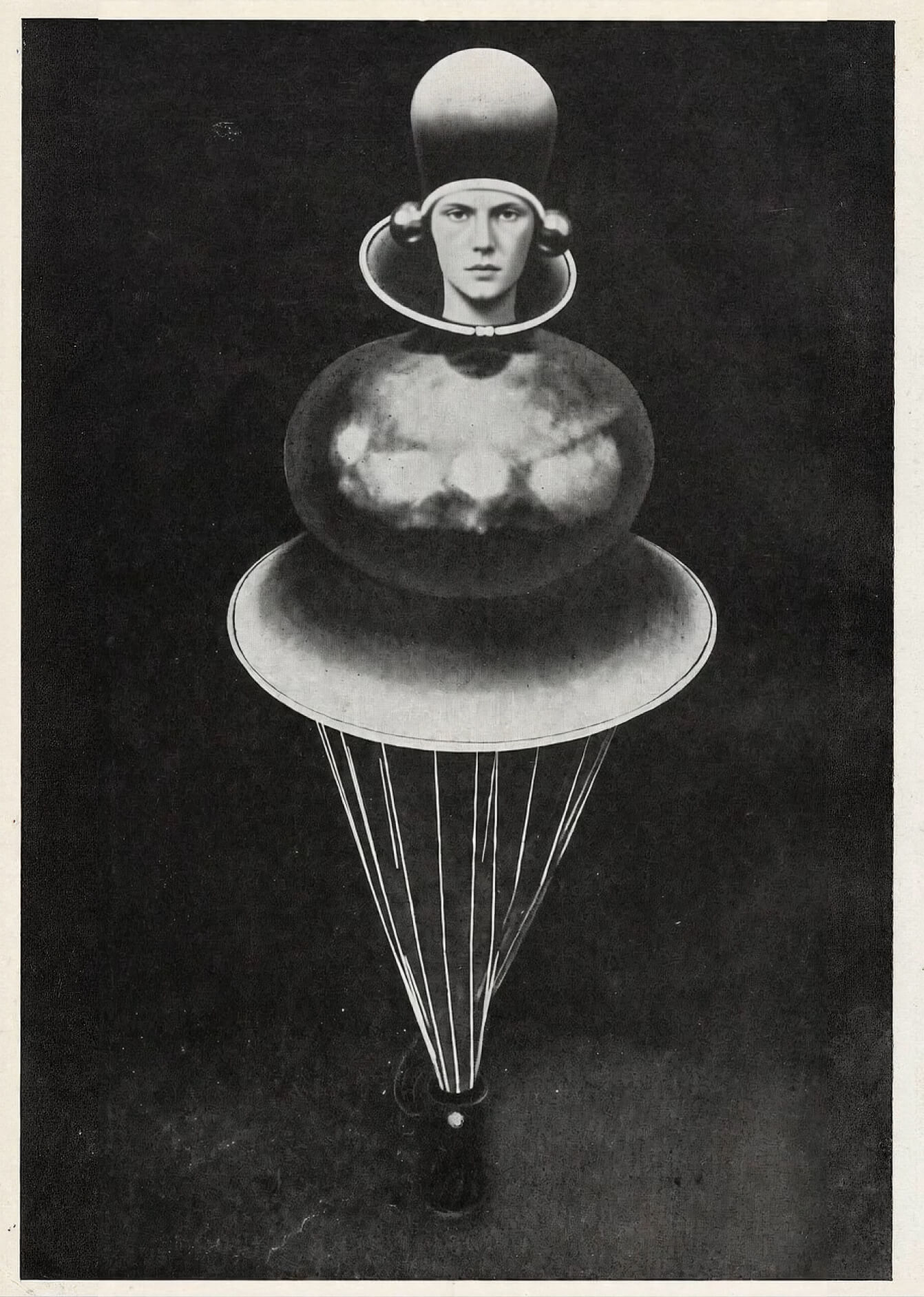
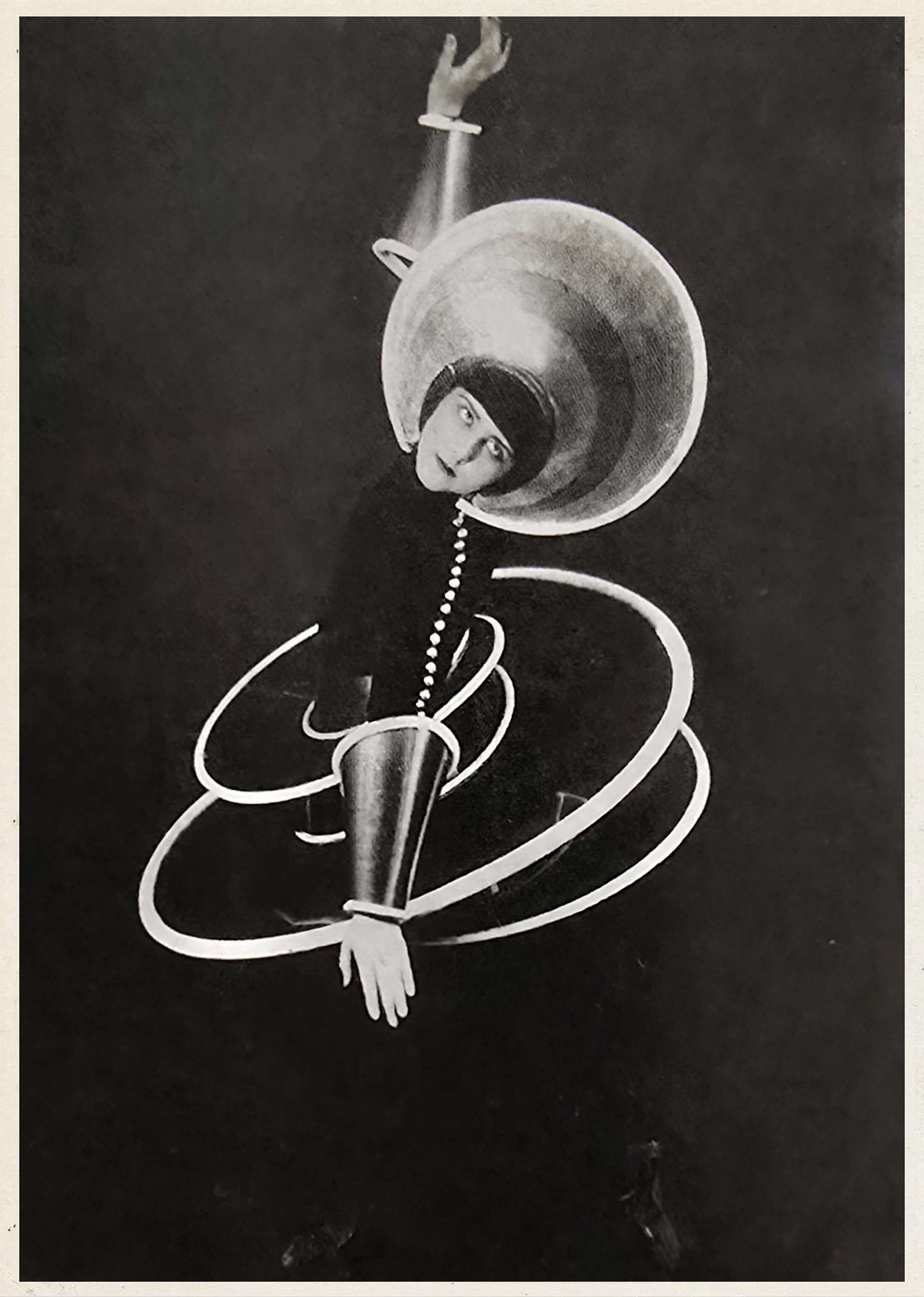
The black stage strips everything back. Colour recedes, only form and light remain. The figures grow more remote, suspended between the sculptural and the symbolic, carrying the geometry of the human body toward its furthest abstraction.
The Triadic Ballet
(AI summary)
Colours
Black stage
Spirit
Mystery
Form
Abstract geometry
Sculptural figures
Symbolic darkness
The Spin
The Spirale
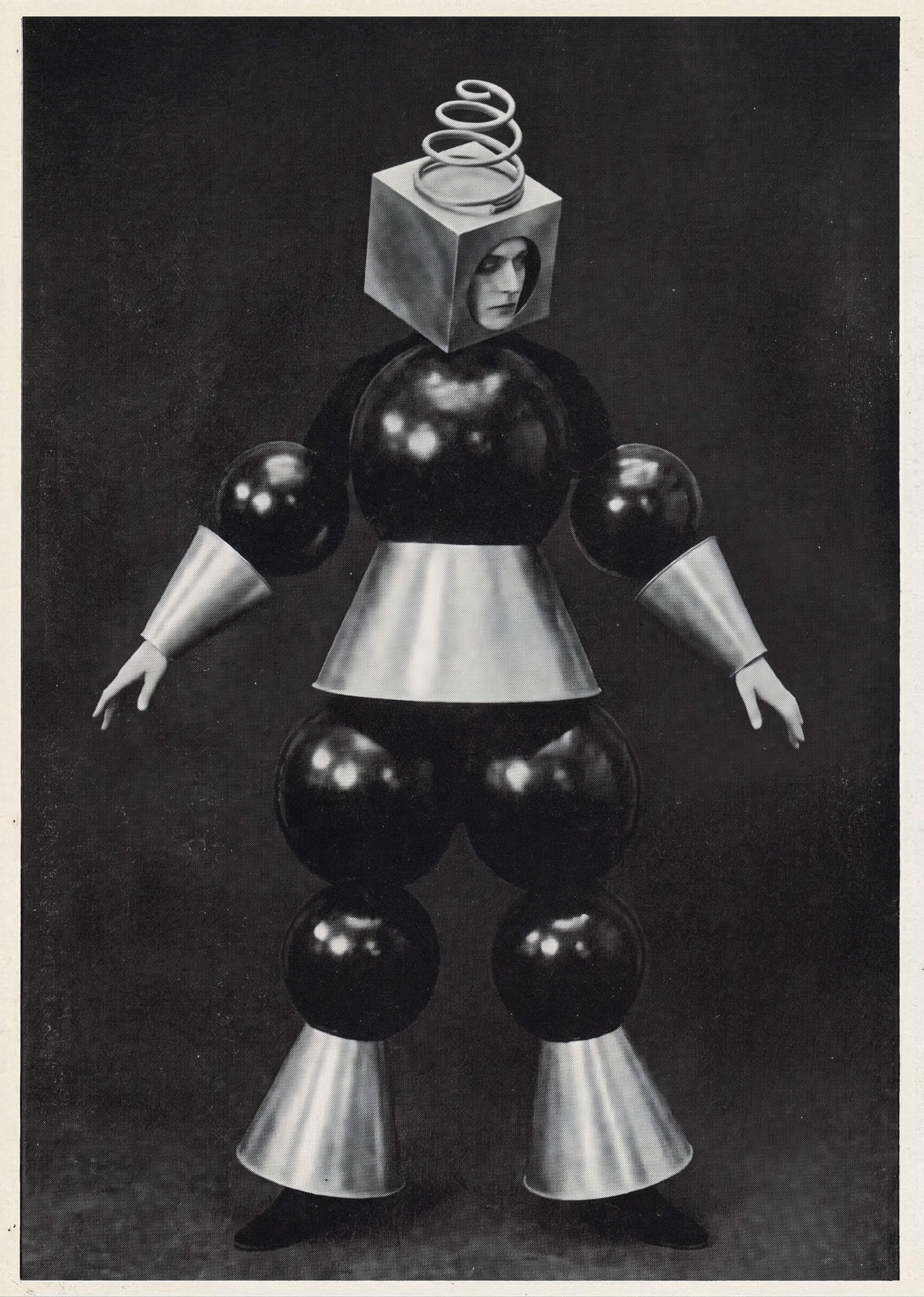
The Knight
The Spin II
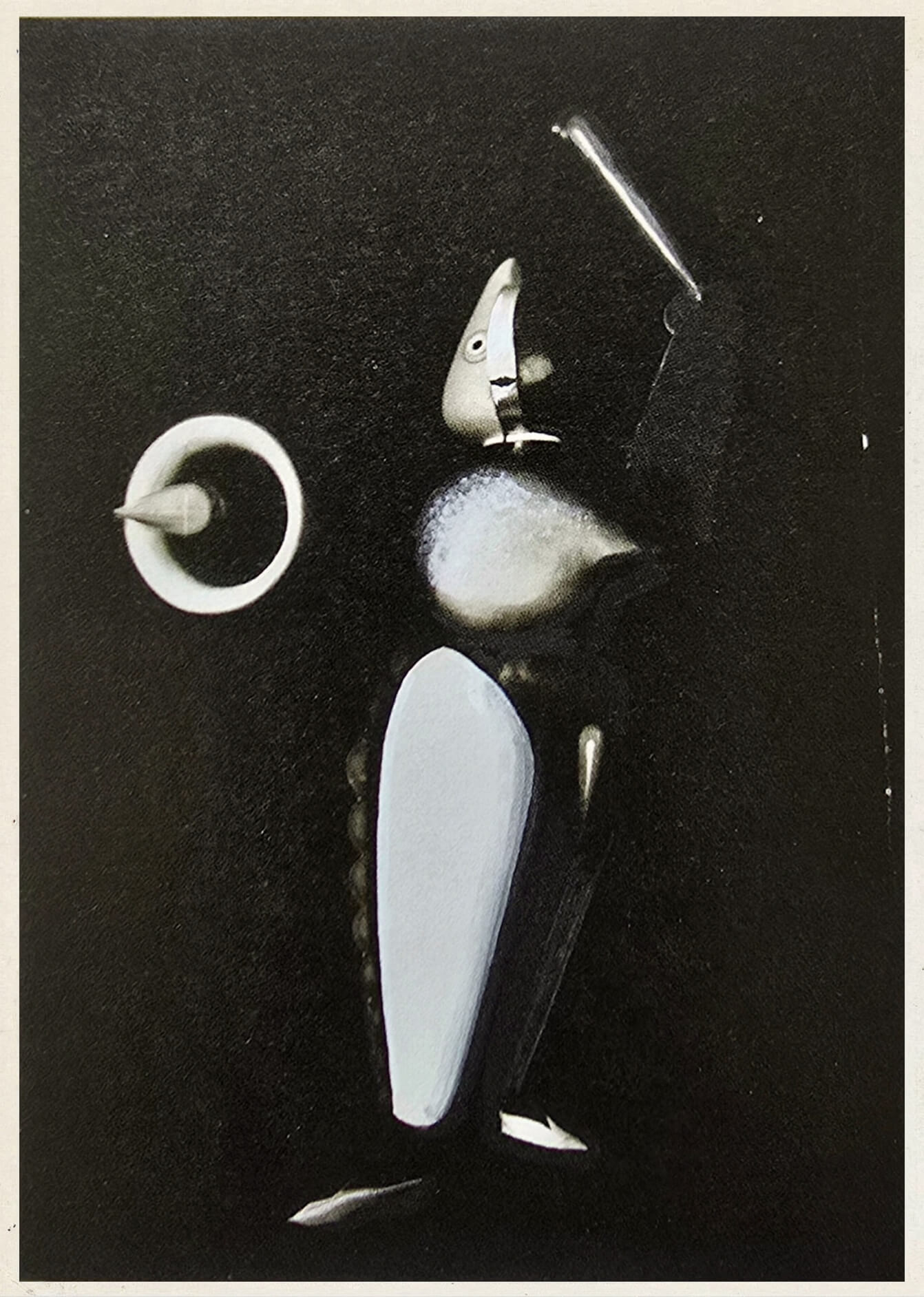
The Abstrakt
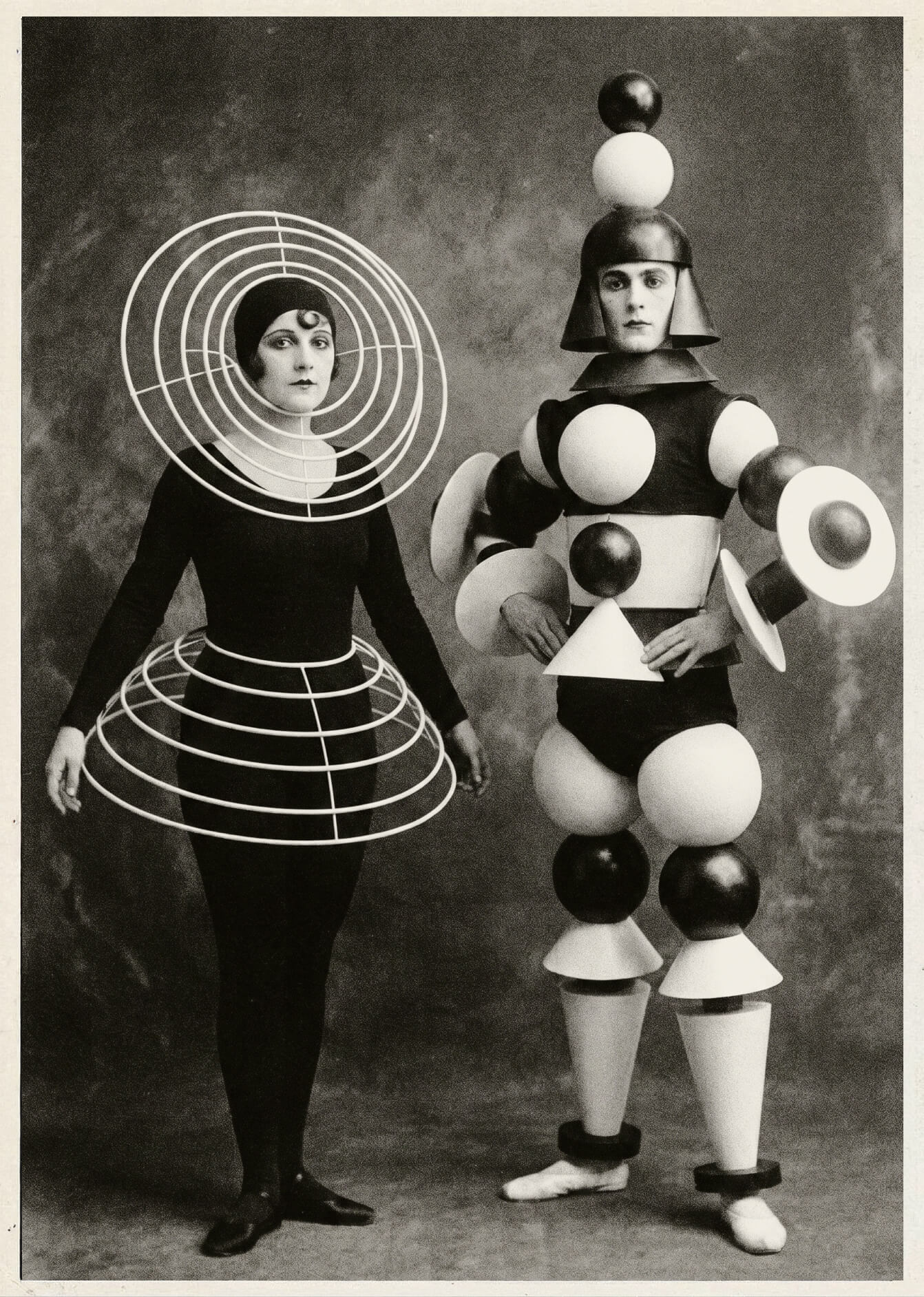
The Modernists
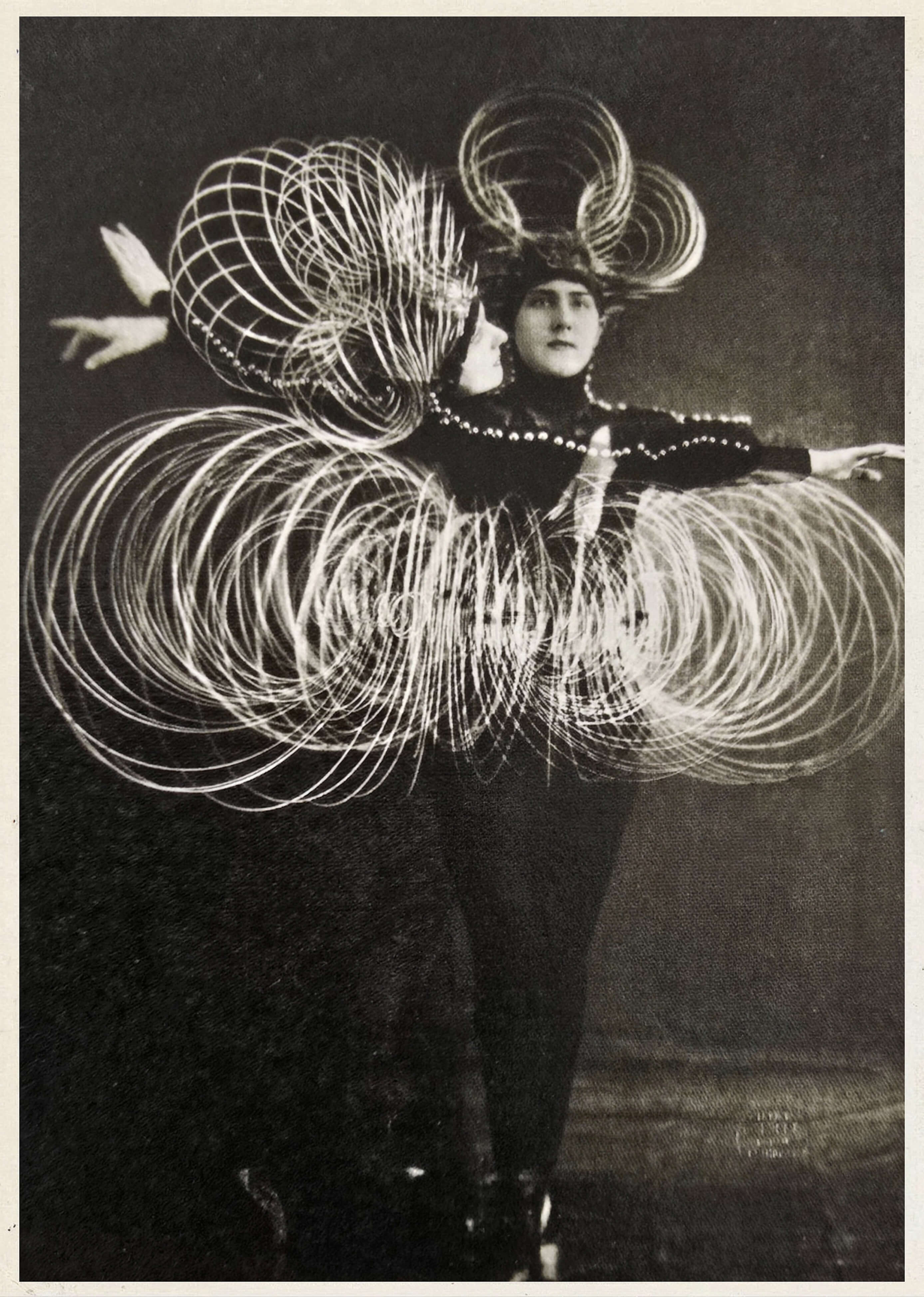
The Infinite
(03)
The final act moves into darkness and abstraction.
The body recedes, leaving only form and light.